Innovation & Research Labs
- The Chempaka Research & Training Centre extends its research mandate through structured innovation laboratories designed to explore emerging educational questions while maintaining pedagogical integrity.
- These labs are not experimental for novelty. They operate within documented frameworks, reflective evaluation, and ethical oversight. Innovation at CRTC is structured, evidence-informed, and contextually grounded.
Early Childhood Innovation Lab
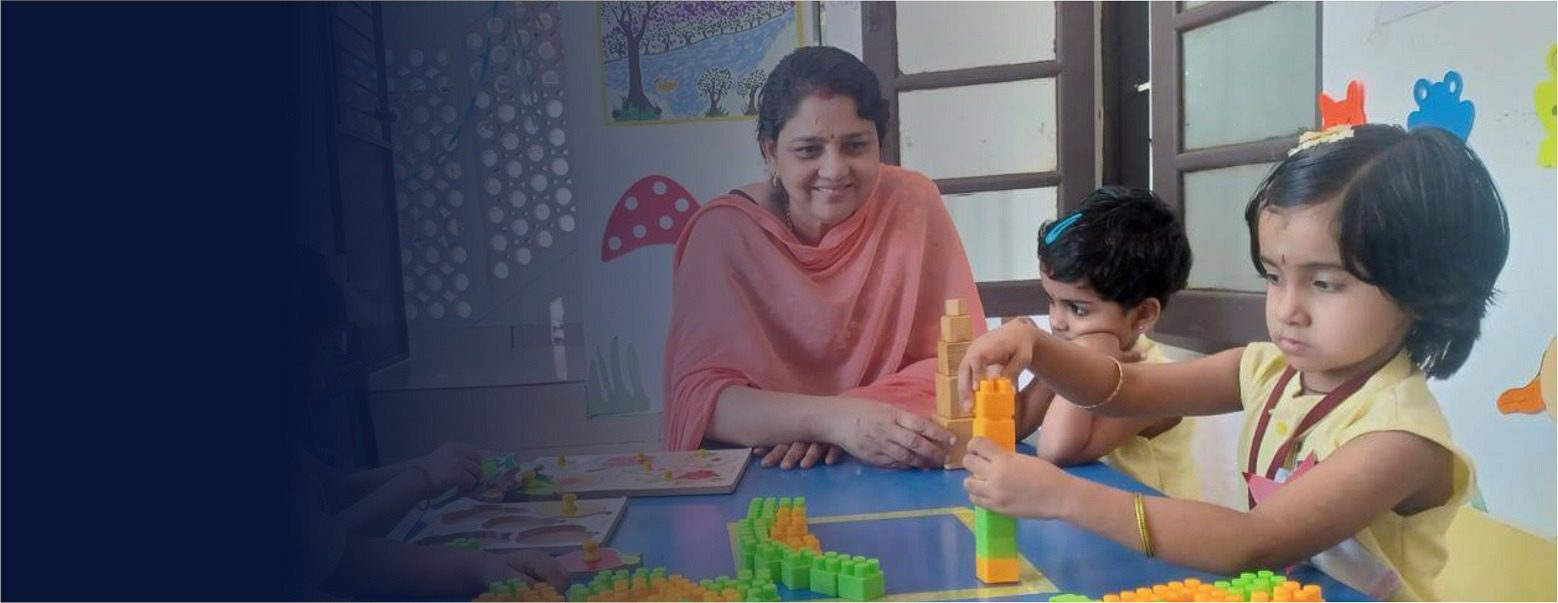
The Early Childhood Innovation Lab examines contemporary questions in developmental pedagogy and early learning systems.
Areas of focus include:
- Structured play environments
- Observation-led curriculum documentation
- Socio-emotional growth frameworks
- School readiness mapping
- Integration of global early years philosophies (Montessori, Reggio-inspired, developmental science models) within contextual realities
The Lab operates in collaboration with the Advanced Diploma in Early Childhood Care & Education, allowing research to inform professional preparation.
This Lab ensures early years education remains reflective rather than routine.
AI & Education Research Lab
The AI & Education Research Lab explores the responsible integration of technology within school systems.
Its mandate is not technological enthusiasm — but pedagogical evaluation.
Areas of inquiry include:
- AI-supported lesson planning systems
- Learning analytics for formative feedback
- Data governance frameworks
- Ethical risk assessment
- AI integration within institutional policy
The Lab prioritises:
Pedagogy first. Technology aligned.
Research outputs include pilot studies, documentation reports, and policy guidelines.
Curriculum Design Studio
The Curriculum Design Studio functions as a structured workspace for curriculum innovation and alignment.
It supports:
- Multi-board curriculum coherence (CISCE | CBSE | Cambridge)
- Research skill vertical mapping
- Competency-based progression frameworks
- Assessment moderation models
- Interdisciplinary integration
The Studio bridges theory and classroom implementation.
It transforms curriculum planning into research-informed design.
Teacher Research Fellowship
The Chempaka Teacher Research Fellowship
The Teacher Research Fellowship is a structured annual programme recognising and mentoring educators committed to practitioner research.
It is not a symbolic award. It is a documented research engagement pathway.
Fellowship Structure
Fellowship Structure
Selected Fellows:
• Propose a classroom or institutional research question
• Undertake structured inquiry over one academic year
• Receive research mentorship
• Document findings systematically
• Present outcomes at the Chempaka National Conference
• Contribute to the Annual Teacher Research Compendium
Fellowship Objectives
Fellowship Objectives
• Strengthen practitioner scholarship
• Encourage research-driven classroom practice
• Build institutional research leadership
• Foster reflective professional culture
• Create longitudinal academic documentation
Fellowship Output
Fellowship Output
Each Fellow produces:
• A structured research paper
• A reflective implementation report
• Presentation at institutional forum
• Archival publication within CRTC repository
Long-Term Vision
Long-Term Vision
Each Fellow produces:
Over time, the Teacher Research Fellowship will:
• Build a network of research-driven educators
• Develop senior academic mentors
• Strengthen institutional knowledge capital
• Position CRTC as a centre nurturing practitioner scholars
This initiative moves teacher development from workshop attendance to intellectual contribution.
Institutional Closing Statement
The Innovation & Research Labs reflect CRTC’s commitment to thoughtful exploration grounded in educational integrity.
Innovation is not disruption. It is disciplined inquiry.
Through structured labs and research fellowships, CRTC cultivates environments where experimentation is documented, reflection is rigorous, and progression is intentional.