Research & Educational Integration

CRTC integrates structured research within the operational realities of schooling across the full K–12 continuum.
Rather than isolating research from practice, the Centre embeds inquiry, curriculum development, and reflective systems within each educational stage.
This ensures coherence, progression, and institutional depth.
Early Years Research Division
Early Years Research Division (Chempaka Kindergarten)
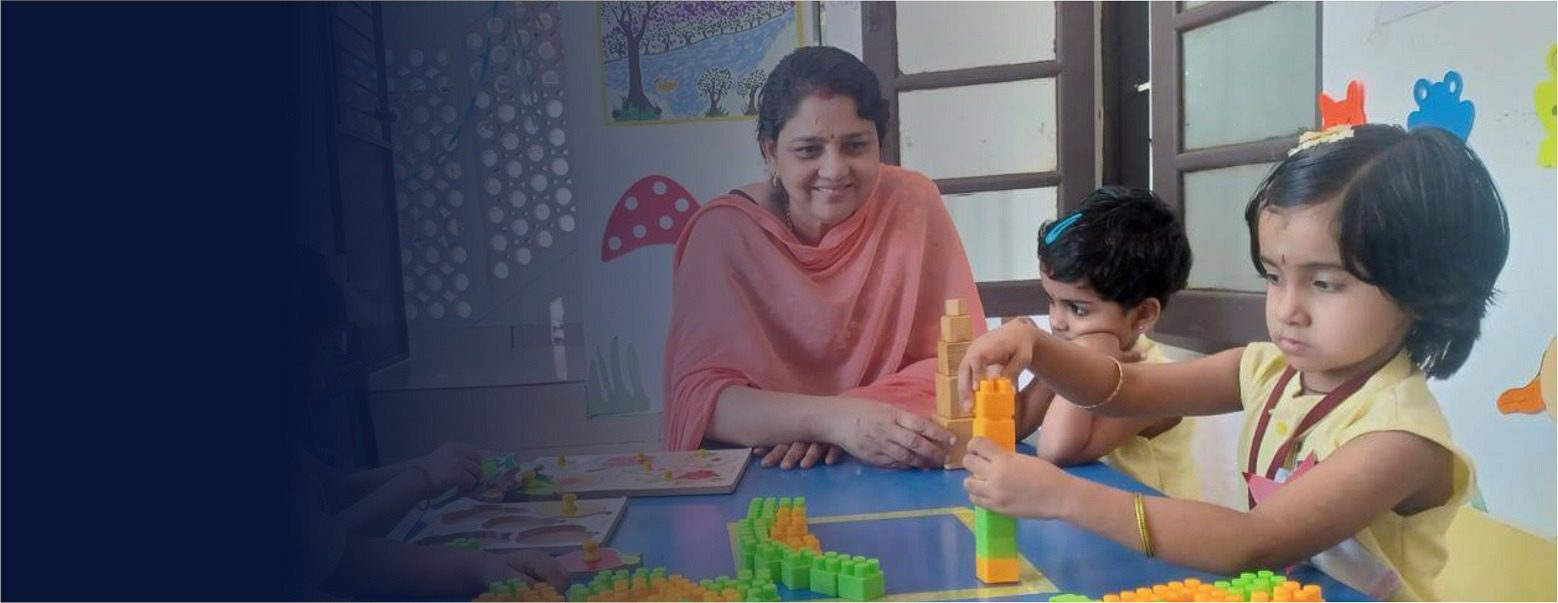
The Early Years Research Division focuses on developmental science, play-based pedagogy, and foundational cognitive and socio-emotional growth.
-
Key Areas of Inquiry:
- Early brain development
- Structured play and exploratory learning
- Observation-led documentation
- Curriculum design for ages 3–6
- School readiness frameworks
This division informs the Diploma in Early Years Care & Education and serves as a practice-based research environment.
Foundational & Primary Research
(Grades 1–5)
This division examines how early inquiry transitions into structured academic skill development.
Focus Areas:
- Literacy and numeracy progression
- Inquiry-based learning models
- Research skill development (early framework stages)
- Assessment design for formative growth
- Competency mapping
Research at this level informs the SPARK research platform and structured curriculum refinement.
Middle & Secondary Research
(Grades 6–12)
Focus Areas:
- Structured research methodologies
- Data interpretation skills
- Interdisciplinary inquiry
- Subject-specific research practices
- Academic writing and presentation frameworks
This division supports the SPECTRUM exhibition and senior-level capstone pathways.
Multi-Board Curriculum Alignment
-
CRTC operates within multi-board educational frameworks:
- CISCE (ICSE/ISC)
- CBSE
- Cambridge Assessment International Education
-
The Centre undertakes structured curriculum mapping and alignment to ensure:
- Competency coherence
- Vertical progression
- Assessment integrity
- Global benchmark comparison
- Institutional consistency across boards
This multi-board integration provides longitudinal research capacity rarely found within school-based centres.
Closing Integration Statement
CRTC’s Research & Educational Integration model ensures that inquiry is not an isolated activity but a structured continuum embedded across
Early Years → Primary → Middle → Secondary → Professional Development
This coherence strengthens institutional identity and educational quality.